

Secondhand sales, online shops and overseas sales
SecondhandDealer License,made simple.
An administrative scrivener supports you with the documents and the application for a Secondhand Dealer License (Kobutsusho Kyoka) in Japan.
- Guidance on
documents - Application
support - Individuals and
companies - Online and
overseas sales
 Free consultation on LINE
Do any of these sound familiar?
- Not sure whether you need a license
- Not sure which documents are required
- Worried whether your home can be the place of business
- Want to start selling overseas through eBay or similar platforms
- Too busy with your main job to find time to prepare
- Not sure how to fill in the application documents
If any of these apply to you, feel free to contact us.
The basics of the license
The Secondhand Dealer License is a permit from the Prefectural Public Safety Commission required to buy and sell secondhand goods as a business. Applications are made to the police station with jurisdiction over your main place of business.
check_circleMain cases where a license is required
- Buying (purchasing) secondhand goods and selling them
- Buying secondhand goods from others
- Selling secondhand goods on consignment for others
- Running a business of exchanging secondhand goods
infoMain cases that are not a secondhand goods business
- Simply selling items you used yourself
- Simply selling items you received free of charge or took in for a collection fee (without buying anything)
- Simply buying back an item you sold, directly from the person you sold it to
- Donating or giving away purchased items free of charge, not for profit
Read more: what counts as “secondhand goods,” points to note and what to check
What are “secondhand goods”?
The Secondhand Goods Business Act (Kobutsu Eigyo Ho) sets out rules for businesses dealing in secondhand goods, in order to prevent the sale of stolen goods and help find them quickly. Under this Act, “secondhand goods” include:
- Goods that have been used once
- Unused goods that were traded for use (e.g. a new item that has once passed from a shop into a consumer’s hands)
- Such goods that have been slightly repaired or maintained
Points to note when deciding whether you need a license
- A “business” means repeatedly carrying out the same kind of activity for profit, judged objectively from the actual circumstances of the transactions.
- Not only a main business but also a temporary side job or home-based work counts as a “business.”
- Transactions on flea-market apps and online auctions are also judged case by case, based on how they are actually carried out and whether they are for profit.
- Running a secondhand goods business without a license is punishable by imprisonment for up to 3 years or a fine of up to 1 million yen (Article 31 of the Act).
What to check before applying
- Whether you fall under any grounds for refusal (e.g. bankruptcy without restoration of rights, or less than 5 years since a certain criminal penalty)
- Where your place of business will be (including your home) and who the manager will be
- Which of the 13 categories the goods you handle fall into
- Whether you will trade through a website (if so, the URL must be notified)
- The 19,000 yen application fee (paid to the police)
Where to apply
The police station with jurisdiction over your main place of business (in Kanagawa Prefecture, the Community Safety Division). The decision on the license is made by the Public Safety Commission.
Goods and the 13 categories
Secondhand goods are divided into 13 categories, and the categories you plan to handle are stated in the application.
- Used cameras and lensesCameras
- Designer bags and shoesLeather and rubber goods
- Watches and accessoriesWatches and jewelry
- Secondhand clothingClothing
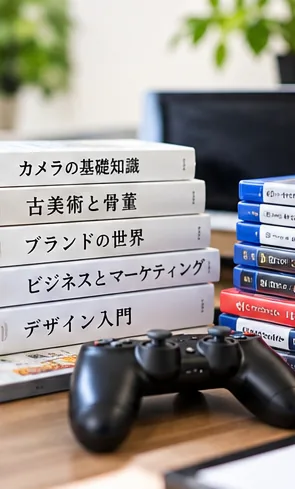
- Instruments, furniture, CDsTools and implements
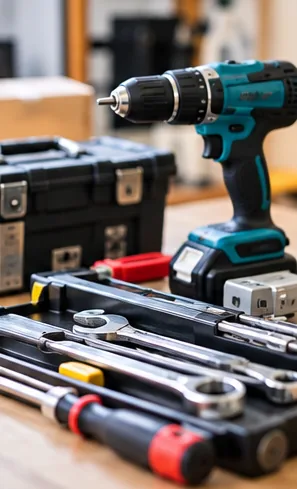
- Power toolsMachinery and tools
| Category (official Japanese name) | Main examples |
|---|---|
| Works of art (美術品類) | Paintings and calligraphy, sculptures, crafts, etc. |
| Clothing (衣類) | Japanese and Western clothing, other garments |
| Watches and jewelry (時計・宝飾品類) | Watches, eyeglasses, gems, accessories, precious metals, etc. |
| Automobiles (自動車) | Automobiles (including parts) |
| Motorcycles and mopeds (自動二輪車及び原動機付自転車) | Motorcycles and mopeds (including parts) |
| Bicycles (自転車類) | Bicycles (including parts) |
| Cameras (写真機類) | Cameras, optical instruments, etc. |
| Office equipment (事務機器類) | Cash registers, calculators, word processors, fax machines, office computers, etc. |
| Machinery and tools (機械工具類) | Electrical machinery, machine tools, civil engineering and chemical machinery, tools, etc. |
| Tools and implements (道具類) | Furniture, household utensils, sports equipment, musical instruments, magnetic media, records, recorded sound/video/software, etc. |
| Leather and rubber goods (皮革・ゴム製品類) | Bags, shoes, etc. |
| Books (書籍) | Books |
| Vouchers (金券類) | Gift certificates, tickets, postage stamps, etc. (as specified by Cabinet Order) |
Some goods can be hard to categorize. We will check the categories with you based on the goods you plan to handle.
Sources (in Japanese): Secondhand Goods Business Act and its Enforcement Regulations (e-Gov), National Police Agency “Interpretation and Operation Standards” (May 14, 2026), Kanagawa / Saitama / Chiba Prefectural Police guidance. English name of the Act: Japanese Law Translation. Whether a license is required depends on the actual transactions.
Selling online or overseas
Trading through a website
When applying, you notify the URL and submit materials showing your right to use it. After you get the license, you must display your name, the name of the Public Safety Commission that granted it and the permit number on the website.
Buying on flea-market apps or auctions
When buying secondhand goods, you are required to confirm the seller’s address, name and other details. For non-face-to-face transactions, this must be done using the methods set by law.
Selling overseas through eBay, etc.
Even if your buyers are overseas, if you buy or purchase secondhand goods in Japan and sell them, you need to check whether this is a secondhand goods business.
Our support & application flow
From your first consultation to the issuance of the permit, an administrative scrivener supports you at each step.
= what our office does
- 1
Contact us
Reach us through the contact form, LINE or by phone
- 2
Free consultation
Through our contact form or LINE, we ask about your goods, sales methods and planned place of business
We check whether a license is required and which categories to apply for
- 3
Quote and engagement
We explain our support and fees. Please engage us only once you are satisfied
We sort out what to decide before applying, such as the place of business, manager and website use
- 4
Preparing documents
You gather documents such as a copy of your residence certificate and certificate of identity
We explain the required documents and where to get them, and prepare the application form, personal history, written pledge, etc.
- 5
Applying to the police station
The application is made to the police station with jurisdiction over your main place of business (application fee: 19,000 yen)
With the Standard plan, we submit it to the police station for you
- 6
Permit issued
If the license is granted after review, the permit is issued. According to the Kanagawa Prefectural Police, this takes approximately 40 days
* The review period varies by prefecture, police station, timing and the details of the case. The decision on the license is made by the Public Safety Commission (police), and our support does not guarantee that or when the license will be granted.
Fees
The application fee of 19,000 yen (paid to the police) is charged separately.
Light
Mainly document preparation
JPY 33,000 (tax included)
Standard
Document preparation + guidance on required documents + submission to the police station
JPY 55,000 (tax included)
Foreign nationals / Corporations
Individual quote for more complex cases
From JPY 66,000 (tax included)
* Applications by foreign nationals and corporations are quoted individually depending on the case.
* We explain our support and fees in the free consultation before giving you a quote.
Frequently Asked Questions
Common questions about the Secondhand Dealer License.
Q.When is a Secondhand Dealer License required?
A permit from the Prefectural Public Safety Commission is required if you run a business of buying, selling or exchanging secondhand goods (goods that have been used, or unused goods that have once passed into a consumer’s hands), or of buying, selling or exchanging them on consignment.
On the other hand, simply selling items you used yourself, or selling items you received free of charge, does not count as a secondhand goods business. Whether a license is needed is judged by how the transactions are actually carried out, so please ask us in advance if you are unsure.
Q.Can an individual obtain the license?
Yes. Both individuals and corporations can apply. However, the applicant must not fall under the grounds for refusal set out in the law (for example, a person who has received an order commencing bankruptcy proceedings and has not been restored to their rights, or a person for whom five years have not passed since a certain criminal penalty). A manager must also be appointed for each place of business.
Q.Can I obtain the license for a side business?
Yes, you can apply for a side business. Note that, according to the National Police Agency’s interpretation and operation standards, not only a main business but also a temporary side job or home-based work counts as a “business.” Running it as a side business does not make the license unnecessary. Please check yourself whether your employer’s work rules allow side businesses.
Q.Can I apply with my home as the place of business?
Yes, your home can be registered as the place of business. However, the place of business must actually function as the base of your business, for example where you keep your records and goods.
For rented housing or condominiums, the police station may check whether you have the consent of the management company or owner to run a secondhand goods business there, to prevent disputes. It is a good idea to check your lease or management rules in advance.
Q.What documents are required for the application?
For an individual, the main documents are as follows (for both the applicant and the manager of the place of business):
- Application form
- Personal history (the last 5 years)
- Copy of the residence certificate showing the registered domicile (for foreign nationals, one showing nationality, etc.)
- Written pledge
- Certificate of identity (mibun shomeisho) issued by the municipality of the registered domicile
For a corporation, the articles of incorporation and a certificate of registered matters are also required, along with documents for all officers. If you trade through a website, materials showing your right to use the URL are also required. Additional documents may be requested depending on the prefecture or individual circumstances.
Q.What is the “certificate of identity”?
It is not a driver’s license or My Number Card, but an official certificate called a mibun shomeisho, issued by the municipality of your registered domicile (honseki). It certifies, among other things, that you are not a person who has received an order commencing bankruptcy proceedings and has not been restored to their rights. Note that it is obtained from the municipality of your registered domicile, not your place of residence. Foreign nationals are not required to attach this certificate.
Q.How long does it take to obtain the license?
According to the Kanagawa Prefectural Police, it takes approximately 40 days from application to the issuance of the permit (not including the time to prepare documents). The review period varies by prefecture, police station, timing and the details of the case, so we cannot guarantee when the license will be granted. If you plan to start your business on a certain date, please prepare well in advance.
Q.Is a license required if I sell through eBay or similar platforms?
Even if your buyers are overseas, if you buy or purchase secondhand goods in Japan and sell them, you need to consider whether this is a secondhand goods business, just as with domestic sales. On the other hand, simply listing items you used yourself is not a secondhand goods business.
The answer depends on how you purchase goods and how you trade, so we will check after hearing the details of your transactions.
Q.What are the benefits of using an administrative scrivener?
You can leave everything from guidance on required documents to preparing the application documents to us, which helps prevent errors and omissions and reduces your preparation time. We also help you sort out points to check before applying, such as the categories of goods, the place of business and website notifications. With the Standard plan, we also submit the application to the police station. Please note that the license decision is made by the Public Safety Commission, so we cannot guarantee that the license will be granted.
Q.Can I just ask for advice?
Yes, a consultation only is fine. In a free consultation through our contact form or LINE, you can check whether a license is required and what preparation is needed. You can take your time to decide whether to engage us after the consultation.
Helpful articles
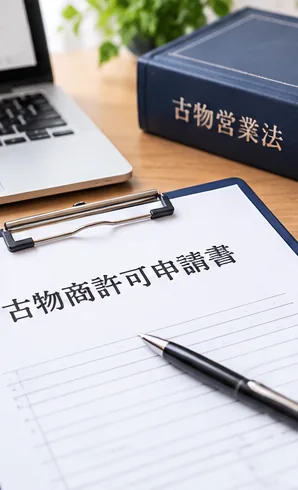 Required Documents for a Secondhand Dealer License: Individuals and Corporations
 How to Obtain a Secondhand Dealer License as an Individual: Documents, Costs and Steps
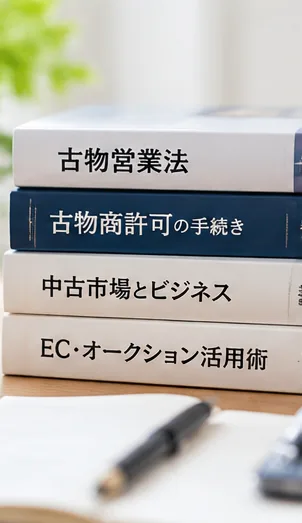 How to Obtain a Secondhand Dealer License as a Corporation: Documents, Costs and Steps
 How Much Does a Secondhand Dealer License Cost? Applying Yourself vs. Using a Scrivener
 Can Your Home Be Your Place of Business for a Secondhand Dealer License?
 Selling Used Goods on Mercari: When You Need a Secondhand Dealer License
 Do You Need a Secondhand Dealer License to Sell Used Goods Overseas on eBay?
 Buying Used Cameras and Lenses to Sell Overseas: License, Sourcing and Export Points
 How Foreign Nationals Can Obtain a Secondhand Dealer License in Japan
 Selling Used Goods as a Side Business: Do You Need a Secondhand Dealer License?
 Selling Used Goods in an Online Shop: License, URL Notification and Website Display
 What Is a Place of Business for a Secondhand Dealer License? Home, Office and Moving
 The Manager of a Secondhand Dealer: Who Can Serve, Role, Documents and Changes
 When You Cannot Obtain a Secondhand Dealer License: Grounds for Refusal Explained
 Benefits of Using an Administrative Scrivener for Your Secondhand Dealer License
About our office

Sato International Administrative Scrivener Office
Lead Administrative Scrivener Mitsutoshi Sato
Registered Immigration Scrivener / Licensed Real Estate Transaction Agent / Certified Building Manager
From your first consultation to the application, the lead administrative scrivener handles your case personally. Feel free to contact us, starting with whether you need a license at all.
Office information
| Office | Sato International Administrative Scrivener Office |
|---|---|
| Registration No. | 第26091431号 |
| Representative | Mitsutoshi Sato |
| Address | 1-9-21-302 Suwa, Takatsu-ku, Kawasaki-shi, Kanagawa, Japan |
| Access | 3-minute walk from Futako-Shinchi Station (Denentoshi Line) |
| office@sato-scrivener.com | |
| Phone | 044-819-4892 (Weekdays 9:00–17:00 (JST)) |

Talk to us about your Secondhand Dealer License
It helps if you tell us the goods you plan to handle, how you will sell (shop, online, overseas, etc.), whether you are an individual or a corporation, where your place of business will be (city or ward) and when you need the license.
Phone: 044-819-4892 (Weekdays 9:00–17:00 (JST))
* The application fee paid to the police (JPY 19,000) is required separately from our fee.
* This English page is provided for reference. The official legal requirements are those in the Japanese laws and the guidance of the police.